Your Accountant Mentioned Incorporation But Didn't Model It. That Silence Costs $40,000 a Year.
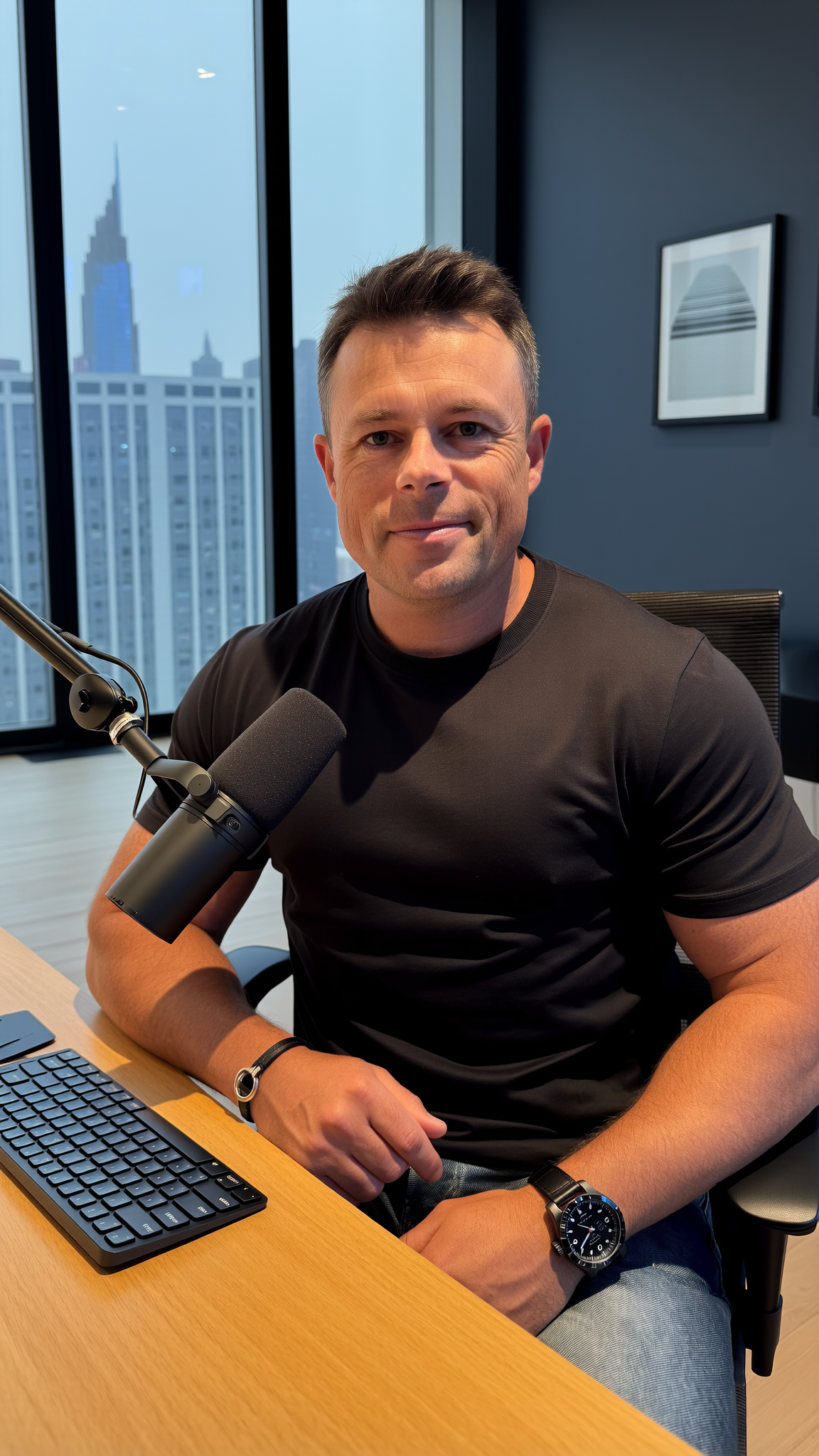

Malcolm was 34 when his 2022 T4 showed $287,000 in consulting income. He'd been working with the same accountant for six years, a CPA with an office three blocks from his condo in James Bay, $1,800 annual fee, returns filed on time every March. The accountant said, in passing, that Malcolm might want to think about incorporating now that his income had crossed a certain threshold. Malcolm said he'd look into it. The accountant didn't bring it up again.
By the time Malcolm actually incorporated in late 2024, he'd left roughly $83,000 on the table. Not through fraud. Not through negligence in the legal sense. Through silence.
The deferral that never happened
BC's small business tax rate sits at 11% on the first $500,000 of active income. Malcolm's personal marginal rate in 2023 was 53.5%. Every dollar earned in the corporation and not immediately withdrawn defers 42.5 cents of tax. On $287,000 of income, that deferral would have been worth about $122,000 in year one, capital that could have been invested inside the corporation at roughly half the personal tax cost.
Malcolm's accountant did mention incorporation. Once. He didn't model the cash flow. He didn't run the salary-versus-dividend split. He didn't explain the capital dividend account. He didn't map the passive income grind that starts at $50,000, where the Small Business Deduction erodes $5 for every additional dollar of investment income. Malcolm had no way to know what he was losing, because the person he paid to know didn't treat it as urgent.
The fee stayed low. The advice stayed shallow. The cost compounded.
When the skill set changes
A generalist accountant is sufficient at $50,000 in self-employment income. The work is compliance: file the T2125, deduct the home office, track the mileage, stay out of trouble. At that level, accounting is data entry with a professional license.
At $300,000, the work is structural. You're deciding whether to pull salary to maximize RRSP room or dividends to preserve corporate capital. You're navigating TOSI rules if your spouse is involved. You're managing a holding company to defer tax on investment income while keeping passive earnings under the federal threshold. The accountant who does good work at $50K often has no training in these mechanics. The two practices don't overlap. They just share a designation.
Malcolm's accountant had been adequate for years. He became inadequate the moment Malcolm's income required a corporate structure, and neither of them noticed the transition.
The penalty for convenience
Victoria has no shortage of accountants. Malcolm stayed with his because the office was close, the relationship was comfortable, and the fee hadn't gone up. Switching felt like a hassle. The $1,800 he saved by not hiring a specialist cost him $40,000 a year in forgone deferral and optimization. That's the actual exchange rate.
The miss wasn't tactical. It was a category error: treating high-complexity tax planning as if it were medium-complexity compliance. Malcolm's accountant wasn't incompetent. He was out of position, and the structure of the relationship, passive mention, no follow-through, no modeling, meant Malcolm had no signal that the position mattered.
He switched firms in January 2025. The new accountant, who works exclusively with incorporated professionals, spent the first meeting rebuilding two years of strategy Malcolm's previous accountant had never mentioned. The work isn't forensic. It's just specific. Malcolm now knows what the capital dividend account does. He knows his passive income limit. He knows the cost of getting dividends wrong.
The old accountant still has the office three blocks away.