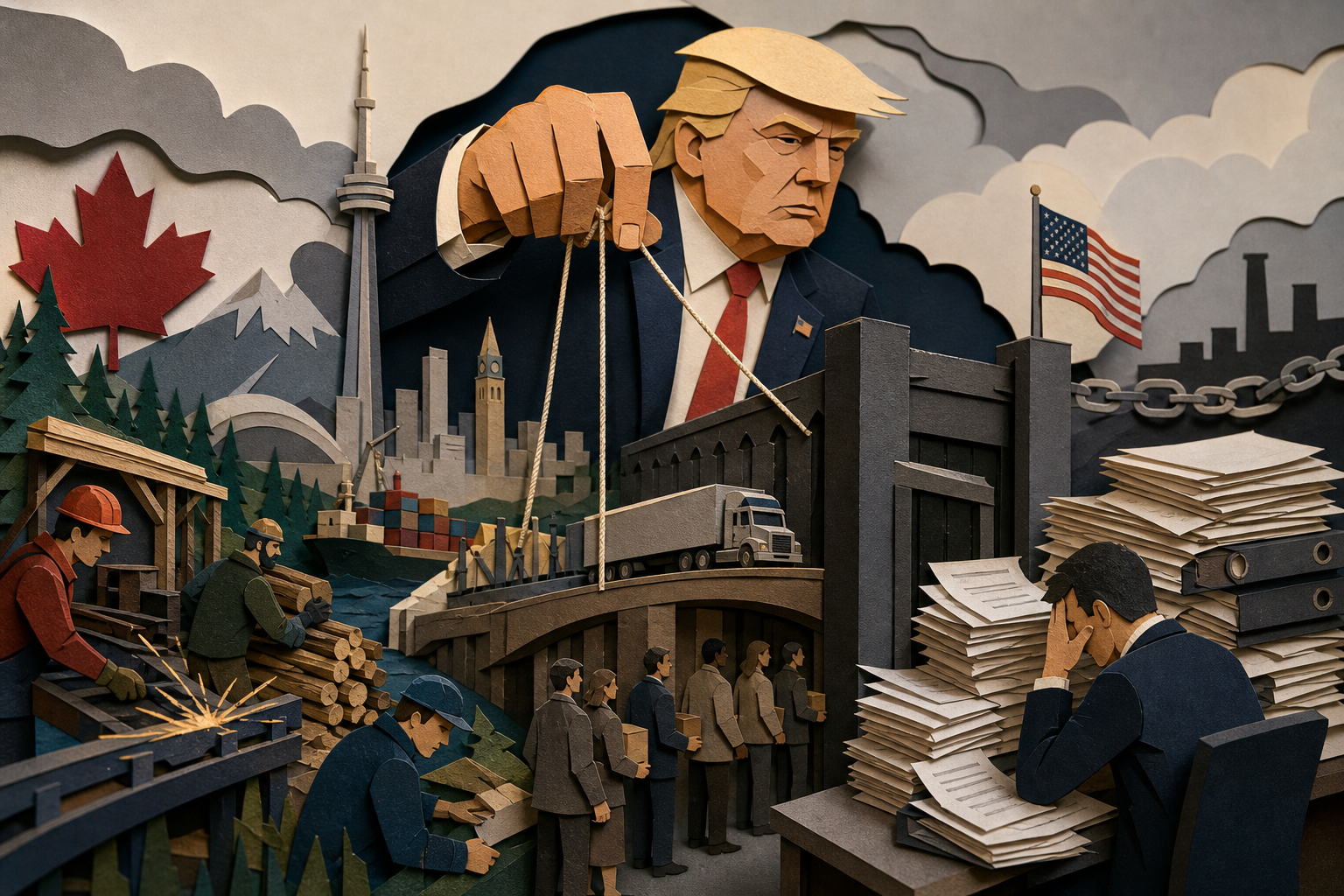
Wes Streeting's North Sea Pivot Isn't About Energy — It's About Starmer


Wes Streeting's North Sea Pivot Isn't About Energy — It's About Starmer
Wes Streeting just came out for new North Sea oil and gas drilling. He also floated cutting employer National Insurance contributions. Neither proposal aligns with Keir Starmer's current government position. That's the point.
The North Sea framing is climate policy on the surface, but the actual target is internal. Streeting is positioning himself to the right of the cabinet on fiscal and energy issues in 2026, creating daylight where the leadership would prefer alignment. Westminster reads this as succession groundwork, not energy security.
The NI Cut Signals Business Pivot
Employer National Insurance sits at 13.8%. It's been a lobbying flashpoint for two years, with business groups calling it a "tax on jobs" that suppresses hiring and wage growth. The Treasury hasn't budged. Streeting's proposal isn't technically radical—cutting secondary Class 1 contributions has been Conservative territory for a decade—but coming from inside Labour, it's a direct challenge to the current fiscal rules.
The gap matters because any NI cut requires revenue replacement. The current Chancellor has locked in tight spending constraints to preserve Labour's "responsible economics" brand. Streeting hasn't named a pay-for, which means he's either proposing unfunded stimulus (unlikely to pass Treasury scrutiny) or planning to fund it through energy sector revenues. That brings us to the North Sea.
North Sea Licensing as Revenue Logic
UK Continental Shelf production has declined roughly 7% annually for the last decade. The Starmer government blocked new licensing rounds to stay consistent with 2030 power decarbonisation targets. Streeting's position reverses that. New drilling licenses don't produce oil tomorrow—most North Sea projects take 5 to 10 years to come online—but they do create a future tax base through the Energy Profits Levy, the windfall tax on oil and gas operators.
If Streeting is serious about NI cuts, North Sea revenues become the funding mechanism. It's circular policy logic: unlock future drilling to justify current business tax relief. The Treasury won't say this out loud because it undermines the green framing of Great British Energy, but the arithmetic connects.
The climate criticism is obvious. New licenses conflict with Net Zero 2050 commitments. Streeting will likely counter with a jobs framing: North Sea drilling protects high-skilled union roles in Scotland and the North East that a rapid transition threatens. That's blue-collar environmentalism, a deliberate wedge into Labour's working-class base that currently backs decarbonisation in polling but also worries about employment.
The Real Tension Is Factional
This isn't about whether the UK should drill more or tax business less. It's about which wing of Labour controls the next manifesto. Starmer's coalition includes both the green-statist faction (DESNZ, strong Treasury fiscal rules, climate first) and the centrist-pragmatic wing (growth emphasis, business engagement, worker-focused rather than activist-focused). Streeting is betting the second group is larger or louder than internal polling suggests.
The tell is timing. These proposals didn't emerge in response to a specific economic shock or energy crisis. They emerged now, mid-term, when leadership speculation is starting but hasn't crystallized. That's positioning, not policy development.
Starmer's Options Narrow
If Starmer publicly rebukes Streeting, he signals insecurity and elevates the challenge. If he ignores it, the proposals become the "alternative Labour platform" by default, pulling the median voter's perception of party positioning rightward without cabinet endorsement. The likely response: quiet pressure through whips, no formal rebuke, and a fiscal statement later this year that preempts the NI cut with a smaller, targeted relief package that lets Starmer claim the territory first.
Streeting knows this. He's not trying to win the argument in 2026. He's trying to own the framing for 2028.