Wes Streeting's North Sea Gambit Isn't a Gaffe — It's Labour's New Economic Logic

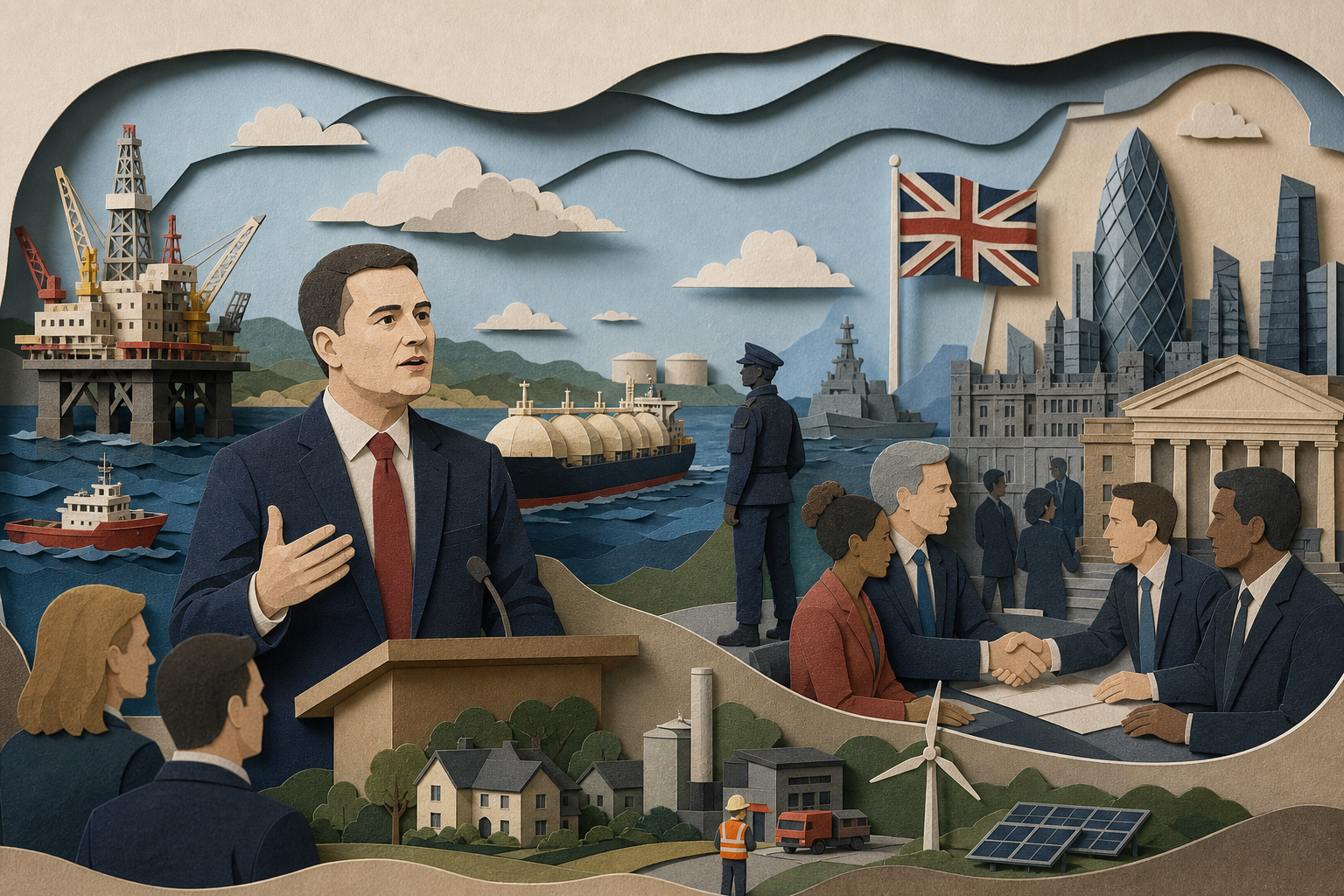
Wes Streeting just proposed two policies that sound like Tory throwbacks: more North Sea drilling and slashing Employer National Insurance. Westminster is treating this as ideological drift. It isn't. It's the first serious articulation of what Labour's economic strategy actually becomes once "Not the Tories" stops being enough of a platform.
The standard read is that Streeting is carving out space to Starmer's right, positioning himself as the business-friendly moderate for when the succession opens. Fine. But that framing misses the underlying bind. The UK tax-to-GDP ratio hit 37.1% on current projections—a seventy-year high. Growth has flatlined since 2021. The energy transition is costing more and delivering slower than the 2019 manifestos promised. Streeting isn't inventing a problem to solve. He's naming the one that's already eating the government's credibility.
Start with the North Sea drilling, which will get the loudest backlash from the green wing. The UK's offshore production has fallen roughly 10% annually for the last several years. That decline doesn't reduce UK carbon emissions—it shifts them offshore. Britain still burns the gas; it just imports more of it, increasingly as LNG shipped from Qatar or the US at roughly three times the carbon intensity of domestic extraction. The "no new licenses" stance works as climate signaling. As energy policy, it's expensive virtue.
Streeting is framing new licenses not as a betrayal of Net Zero but as a pragmatic bridge that prevents worse emissions elsewhere while funding the transition with tax revenue that would otherwise go to Houston and Doha. The argument isn't new—it's the one Norway has used to build a $1.7 trillion sovereign wealth fund while maintaining stronger climate credentials than the UK. What's new is a senior Labour figure saying it out loud.
The Employer NI cut is the sharper move. Employer contributions are currently 13.8%, and UK businesses—especially in hospitality, retail, and logistics—are pricing that cost into hiring freezes. Streeting is targeting the specific friction point where fiscal drag meets wage stagnation. Cutting employee NI polls better, but it doesn't unlock hiring. Cutting the employer side does, and it signals to the CBI and the City that someone in Labour still thinks growth comes from capital formation, not just redistribution.
The obvious objection is fiscal. Any NI cut opens a multibillion-pound hole in Treasury receipts. Where does that get filled? Spending cuts? More borrowing? The bond market is already twitchy after two years of elevated gilt yields. Streeting hasn't answered that question yet, which means he's either being reckless or he's floating the cut as a forcing function—put "growth" on the table, then make everyone else defend the taxes that prevent it.
The environmental groups will call the North Sea plan a betrayal. The fiscal hawks will call the NI cut unaffordable. Both critiques are real. What neither addresses is that the current path—high taxes, declining domestic energy, anaemic growth—has no political runway. Labour won in 2024 because the Tories collapsed, not because the country bought the programme. Streeting's positioning looks like apostasy because it names the thing the manifesto didn't: you can't tax your way to climate transition in a low-growth economy. You need revenue. That revenue has to come from somewhere.
This isn't Streeting going rogue. It's him stating the terms of the next internal fight—the one Labour will have with itself once it's clear the Starmer formula isn't producing what was promised. Whether that fight leads somewhere useful or just fractures the coalition is the open question. But pretending the fight isn't coming is the real evasion.