US Sanctions Against Cuba Are Quietly Dismantling Venezuela's Healthcare System
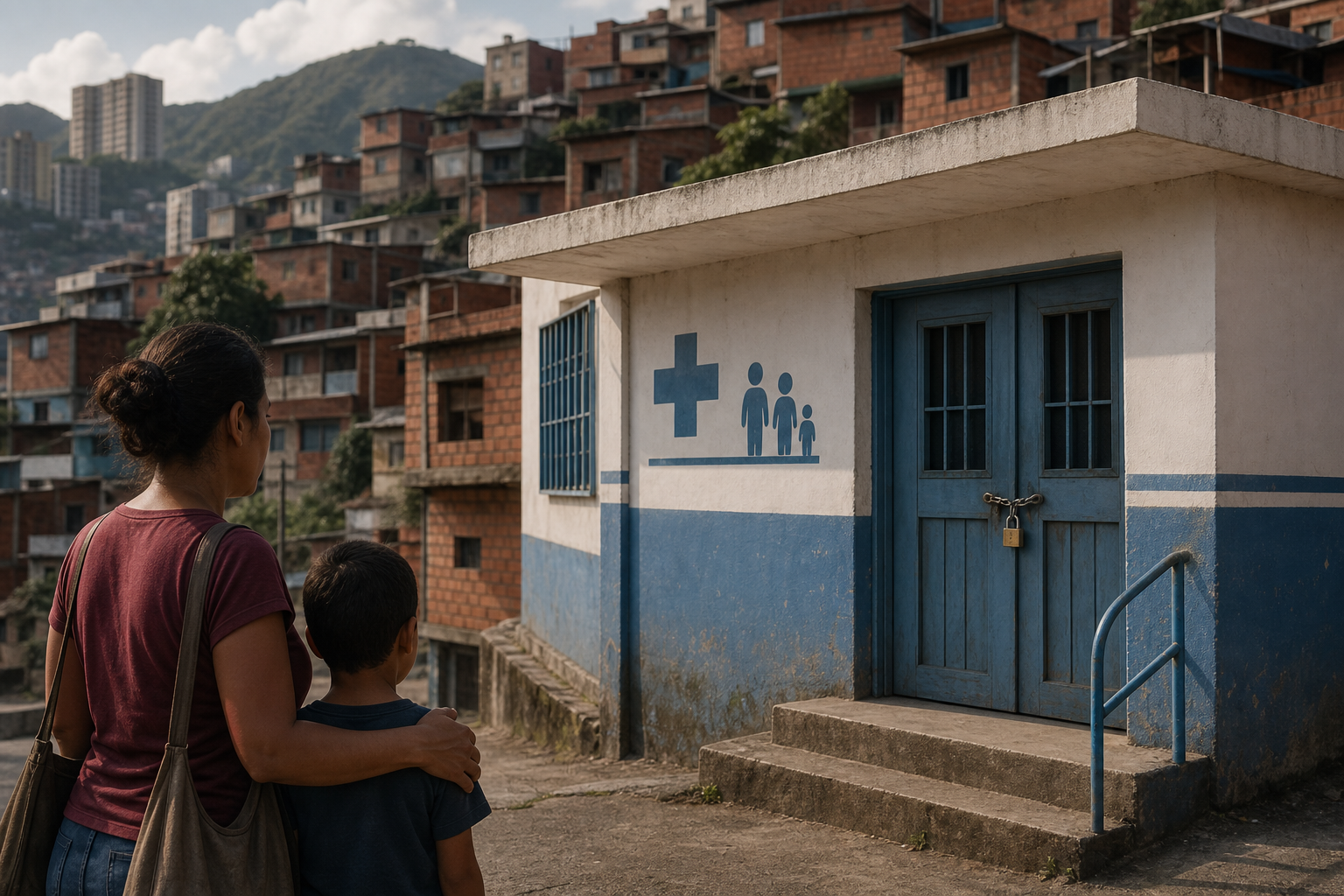
The clinic in Petare stayed open for seventeen years. Then the Cuban doctors left, the doors locked, and 40,000 residents lost their only walkable point of care.
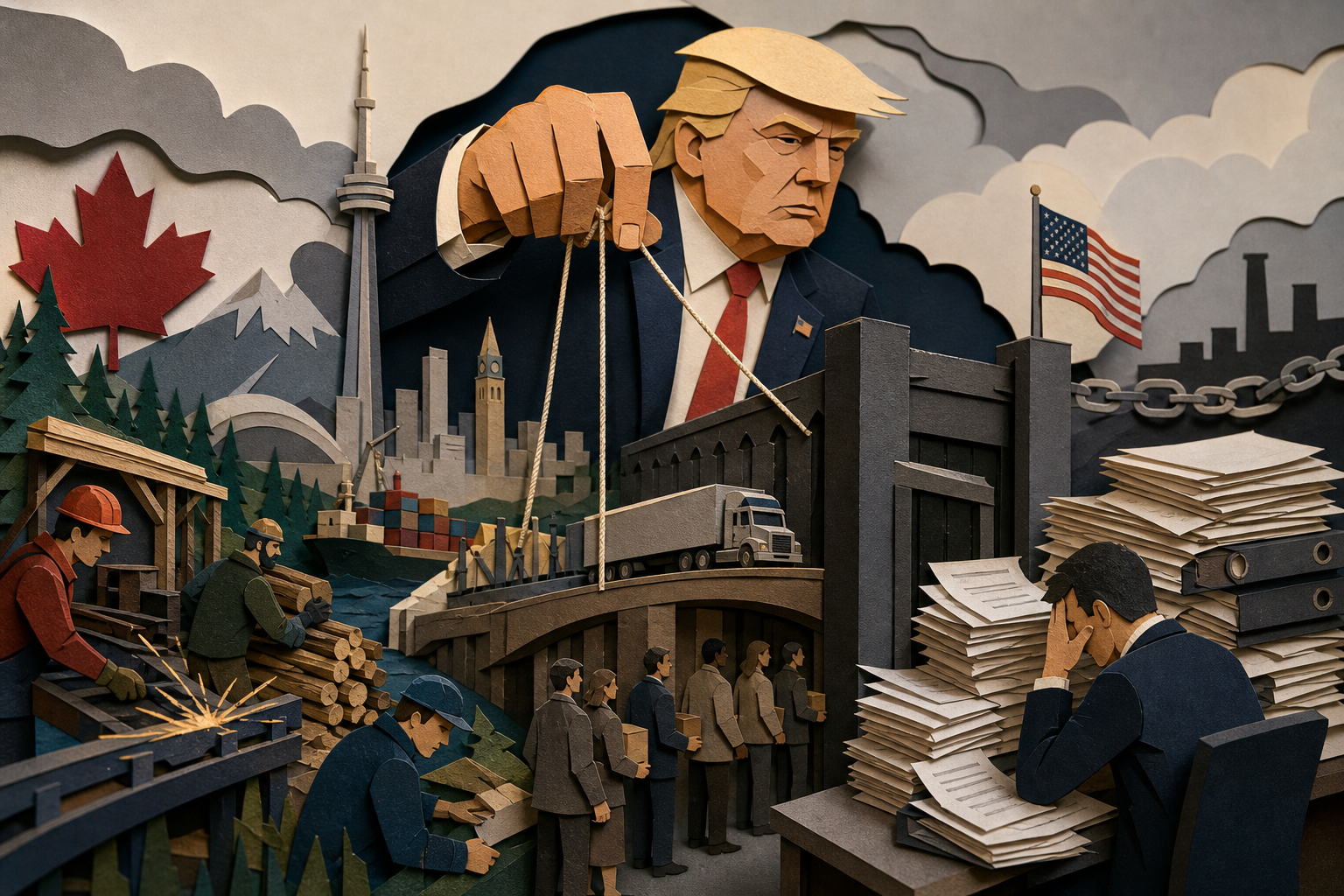
This is what happens when sanctions target one government but hit the healthcare infrastructure of another. The U.S. Treasury's restrictions on Cuba—designed to starve Havana of hard currency—have shredded the logistical backbone of Venezuela's primary care system. The mechanism is straightforward: Venezuela pays Cuba in oil for medical personnel. Sanctions on automated payment systems and shipping entities have made those transfers expensive, unreliable, or legally hazardous. Cuban doctors have started leaving. The clinics they staffed are shutting down.
Washington frames this as pressure on two regimes. The people in the barrios of Caracas experience it as the loss of their neighborhood clinic. The gap between those two descriptions is where policy becomes collateral damage.
The swap that no longer swaps cleanly
Hugo Chávez and Fidel Castro formalized the doctors-for-oil arrangement in 2003. Venezuela's "Barrio Adentro" program deployed thousands of Cuban physicians into low-income zones that domestic doctors rarely entered, either because the pay was poor or the neighborhoods were too dangerous. The deal worked because both sides got something they couldn't easily source elsewhere: Cuba got oil, Venezuela got medical labor willing to work in slums.
Sanctions didn't kill the agreement outright. They made it expensive and fragile. Oil shipments now run through entities that risk being blacklisted by OFAC. Banking over-compliance means even legal transactions get frozen in transit. The Cuban government still sends doctors, but fewer of them, and the logistical cost of the swap has risen high enough that Caracas can't staff the clinics it built.
The result: modules that still have equipment but no personnel. A primary care network that exists on paper and sits empty in practice.
What fills the gap when the gap can't be filled
Venezuela has lost more than 40,000 domestically trained doctors to emigration since the crisis deepened. The Venezuelan Federation of Doctors tracks the outflow. Most left for Colombia, Chile, or Spain. The country isn't producing replacements fast enough, and the ones who stay rarely work in the zones Cuban doctors covered.
In Petare, one of Latin America's largest informal settlements, roughly 70% to 80% of primary care modules have closed or operate sporadically. The residents who used to walk three blocks for treatment now take a bus to a central hospital that was already overstrained. Wait times stretch into days. Preventable conditions escalate. The system doesn't collapse—it degrades, which is slower and harder to document.
Hyperinflation compounds the problem. Medical stipends that Cuba negotiates lose purchasing power faster than they can be adjusted. Spare parts for clinic equipment can't be sourced through normal channels because of regional transit restrictions. De-risking by international banks means even payments for gauze and antibiotics get held for compliance review. The infrastructure rots in place.
The policy works, just not on the intended target
The sanctions achieve their narrow goal: they make it harder for Cuba to extract revenue from its medical missions. What they also do is expand medical deserts across urban Venezuela. The U.S. Treasury can argue that the fault lies with Maduro's failure to build a functional domestic healthcare system. That argument is correct and irrelevant to the family in Catia whose child has an ear infection and no clinic within walking distance.
Human rights groups call this a violation of the right to health. The counterargument from Washington is that the Cuban missions themselves constitute forced labor, since Havana retains most of the doctors' wages. Both claims can be true. Neither changes the fact that the clinic in Petare is closed.
The strategic theory behind the sanctions is that degrading government services will erode public support for the regime. The unintended mechanism is that healthcare collapse increases dependence on state-distributed food and medicine, which strengthens social control rather than weakening it. The policy succeeds at making life harder. It's less clear what it succeeds at changing.