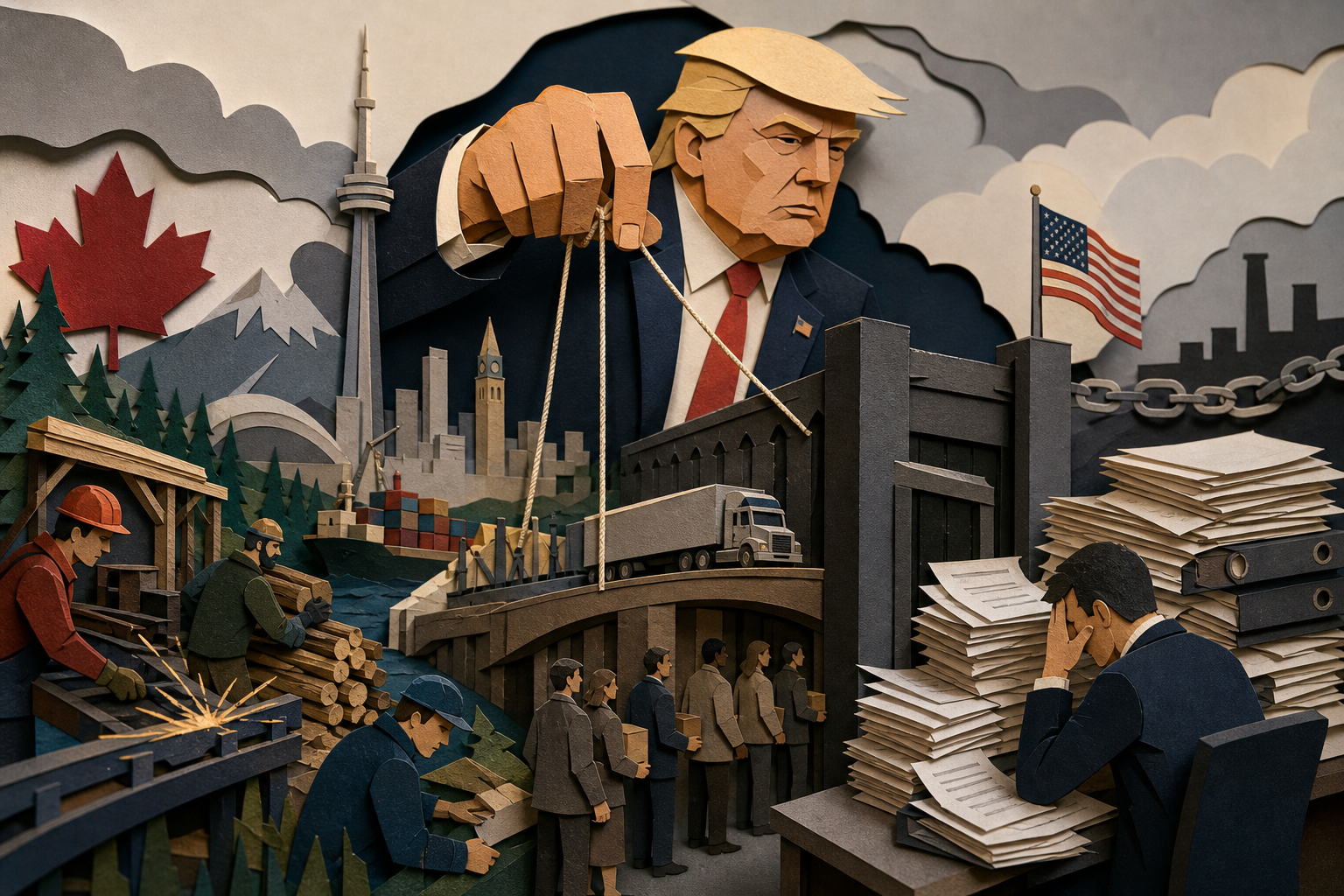
Gasoline Sales Drove Canada's May Retail Gain While Everything Else Stalled

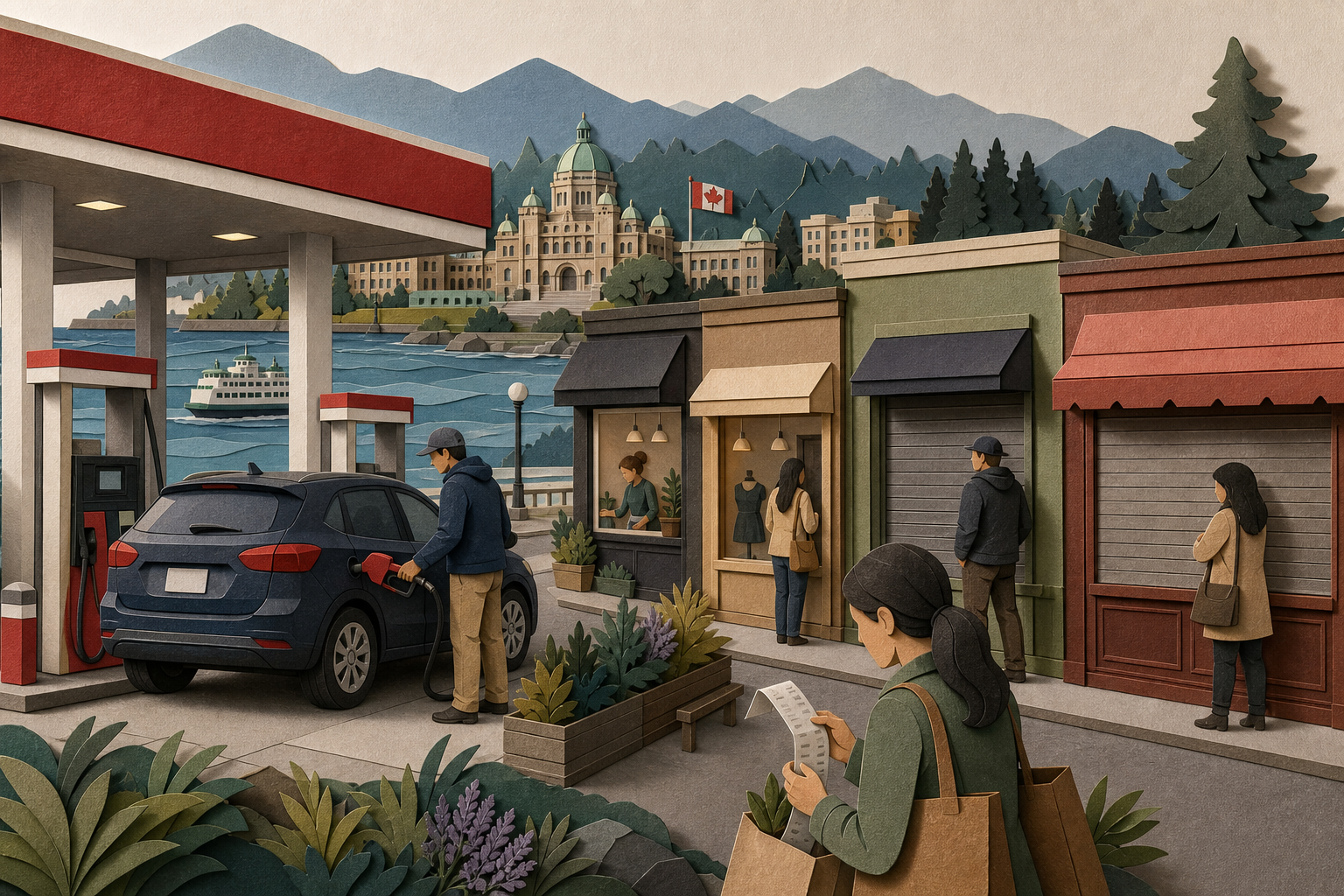
Statistics Canada's May retail sales report landed at 1%, and the entire gain sat in one category. Gasoline stations accounted for the full percentage point. Strip out fuel, and core retail was flat month-over-month.
That split matters more than the headline suggests.
When one category carries the whole number
Gasoline station receipts rose sharply in May, driven by pump prices that climbed through the month. The per-litre price increase translated directly into higher nominal sales. Households didn't buy more fuel. They paid more for the same amount, and Statistics Canada counts dollars, not litres.
The problem with calling that a retail gain is that it doesn't describe consumer behaviour. It describes an input cost shock passing through to the register. A household that spent an extra $40 filling the tank in May had $40 less to deploy elsewhere. The retail sales figure treats both as growth. They are not the same thing.
Core retail, everything except gasoline stations and motor vehicle dealers, was unchanged in May. Clothing, electronics, sporting goods, furniture, building materials: flat. Food and beverage stores: flat. General merchandise: flat. The sectors where discretionary income shows up as actual consumption didn't move.
That's nine consecutive months where fuel costs have either dominated the retail sales print or masked weakness in the categories that reflect household purchasing power. The pattern is consistent enough now that it warrants a different interpretation than "retail resilience."
What surging fuel costs actually signal
When gasoline prices climb and everything else stalls, you are watching margin compression in real time. Households have a fixed amount of disposable income in any given month. Fuel is a non-discretionary spend for most Canadians outside dense urban cores. You fill the tank because you need to get to work, drive the kids, run errands. The price at the pump is not optional.
So when that line item swells, the adjustment happens somewhere else. It shows up as deferred purchases: the new winter coat pushed to next month, the patio furniture left unbought, the kitchen reno that waits another year. These aren't rounding errors. They are entire categories of retail staying flat while the gasoline number climbs.
The Bank of Canada tracks core retail for exactly this reason. It is a cleaner signal of underlying demand than the headline figure, which can be distorted by volatile categories like fuel and autos. In May, that cleaner signal said demand was not growing. It was holding.
The second-quarter trajectory
May was the second month of Q2. April retail sales also rose roughly 1%, also driven by gasoline. If June follows the same pattern, and early provincial data suggest it might, the second quarter will show retail sales growth that is entirely a function of fuel price inflation, not volume gains or broadening demand.
That has implications for how monetary policy reads the consumer. A 1% month-over-month retail sales gain used to mean households were opening their wallets wider. Now it might just mean they are spending the same amount on fewer things, with gasoline eating a larger share of the budget.
The headline number will get reported as strength. The composition tells a different story. Retail is not expanding. It is narrowing. One category is growing because it has to. Everything else is waiting.