Canada's $7.8 billion trade surplus runs on oil, not diversification

Canada recorded a trade surplus in April that hadn't been seen since early 2018. The headline number looked impressive: $7.8 billion, driven by exports hitting record levels. Strip away the celebration and what's left is a different picture. This wasn't diversification paying off. This was crude oil doing what it always does when prices cooperate and pipeline capacity allows it, carrying the entire balance sheet.
Crude bitumen and oil exports reached an all-time high in dollar value that month. Not "one of the highest." The highest. Meanwhile, gold shipments, which had propped up earlier months, dropped by double digits. The pattern is old. When oil surges, Canada's trade numbers improve. When it doesn't, they don't. The economy remains structurally tethered to the energy patch in a way that makes talk of a "modern, diversified export base" feel like aspirational marketing rather than observable fact.
The infrastructure finally paid its tab
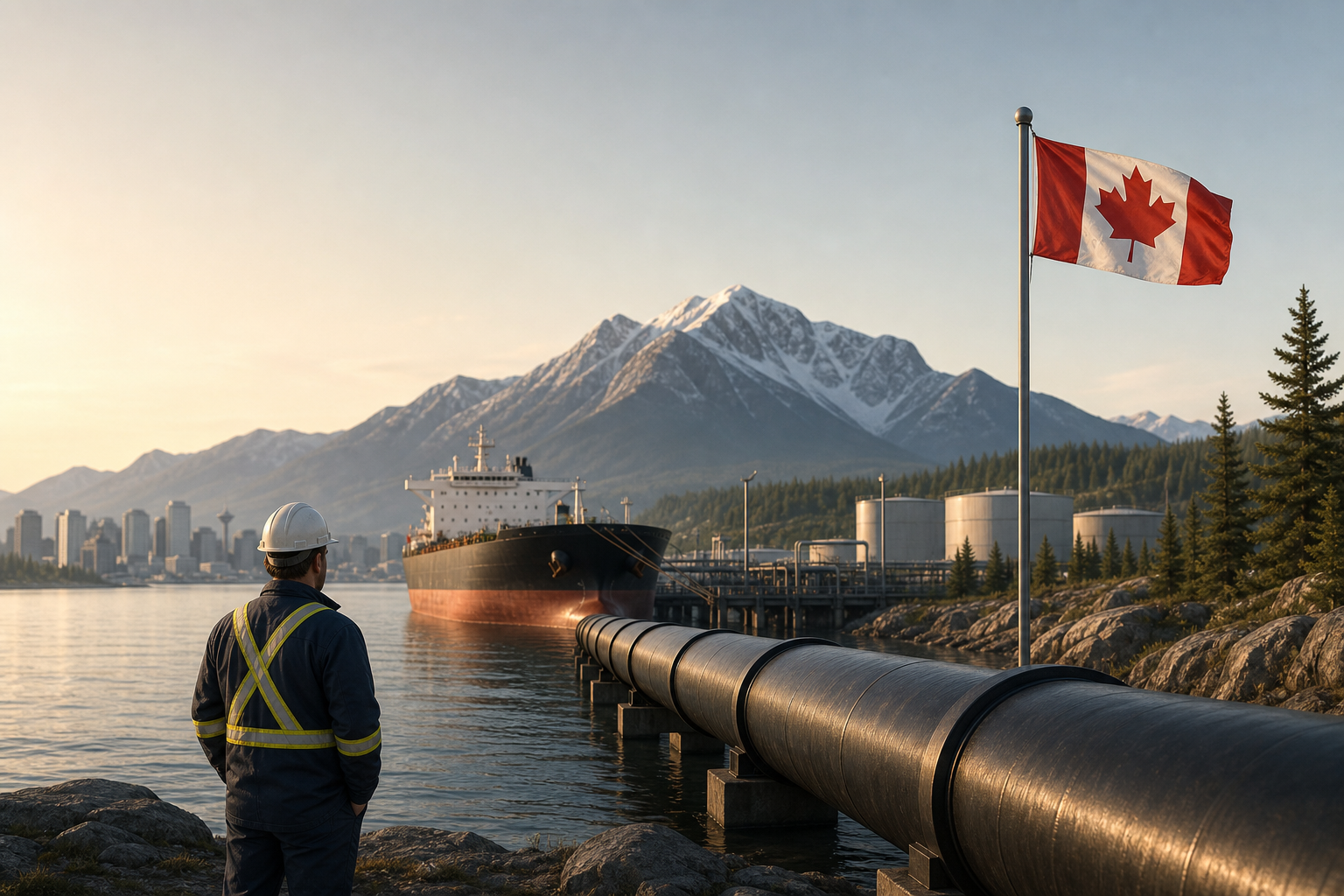
Part of the surge reflects capacity, not just price. The Trans Mountain expansion added room for more barrels to reach international buyers. For years, Canadian oil traded at a steep discount to global benchmarks because there was no way to move it anywhere except south. Pipelines that were debated, delayed, and litigated through the 2010s are now operational. April's export record is what happens when those projects stop being hypothetical and start moving product.
That's a structural win, but a narrow one. The export engine is humming because one commodity can finally reach market at scale. Imports, by contrast, stayed flat. Domestic demand isn't driving anything. The surplus widened because Canada sold more stuff abroad, not because Canadians were buying less from elsewhere. When export strength comes without import growth, it often signals that the consumer side of the economy is cooling, not that the country suddenly became an export juggernaut across multiple sectors.
What volatility actually looks like
Oil's dominance creates a specific kind of risk. A sustained drop in crude prices erases these gains in a single reporting cycle. Gold's April collapse, after months of strength, showed how quickly a commodity-led surplus can reverse when sentiment shifts. Precious metals had been a temporary flight-to-safety trade. That trade ended. The money moved elsewhere. Canada's export picture shifted with it.
Manufacturing, the sector that would signal genuine diversification, remains stagnant. A surplus built on raw commodities often masks the fact that value-added production, things that require assembly, refinement, or transformation, hasn't improved. Canada extracts, processes minimally, and ships. That model works when global commodity demand is strong. It doesn't when demand softens or when buyers find cheaper sources.
The policy tension no one wants to name
Record oil exports in 2026 sit awkwardly next to Canada's climate commitments for 2030 and 2050. The country has pledged aggressive emissions reductions while simultaneously depending on oil revenue to balance its trade accounts and fund provincial budgets. That's not hypocrisy. It's the structural bind of an economy that never fully transitioned away from resource dependency.
The Bank of Canada will treat April's numbers as a cushion. A wide trade surplus gives monetary policy more room to maneuver without worrying that the economy will stall completely. But cushions built on oil have a tendency to deflate when the underlying commodity moves against you. The Loonie strengthened after the report. That strength makes imports cheaper, which helps cool inflation. It also makes Canadian exports less competitive in non-oil sectors, which further entrenches the dependence on energy.
April's trade surplus was real. So is what it revealed. Canada's export strength still runs through a single sector, amplified by infrastructure that took a decade to build. Diversification remains a talking point, not a trade balance.