Bank of Canada Holds at 2.25% as Second-Quarter Growth Hits 2.5%

Unemployment sat at 6.5% in June, the same range it's occupied since late 2024, even as GDP estimates for the second quarter climbed to 2.5%. The Bank of Canada left its overnight rate untouched at 2.25% on July 15, citing those early signs of momentum alongside persistent slack in the labour market.
The hold was widely expected. What mattered in the accompanying statement was the framing: policymakers described the recovery as "broadening," language that implies growth is no longer concentrated in one or two sectors but spreading across the economy. That shift matters for durability. Recoveries that depend on housing or government spending alone tend to stall when those engines cool. Recoveries built on wider participation, consumer spending, business investment, services activity, have more room to sustain themselves.
Why the labour market still looks soft
The 6.5% unemployment figure has been stable for months, which sounds like equilibrium but isn't. Stability at that level reflects two offsetting forces: job creation running just fast enough to absorb new entrants, but not fast enough to pull discouraged workers back in or reduce underemployment. The participation rate has stayed flat. Hours worked per employee have been drifting down. Both are signs that employers are cautious, adding headcount only when revenue growth forces their hand.
Population growth has slowed noticeably, which takes some pressure off the labour market but also signals weaker demand for housing, retail, and services tied to new arrivals. Slower population growth means fewer people competing for jobs, but it also means fewer people spending. The net effect on GDP depends on which moves faster, and right now the consumption side is lagging.
What 2.5% growth means in context
The 2.5% second-quarter estimate is solid but not spectacular. It represents a return to trend after several quarters of below-potential output, not an acceleration above it. The composition of that growth will determine whether the Bank holds or moves in the months ahead. If the 2.5% came from inventory rebuilding or a one-time boost in exports, it won't persist. If it came from household spending and business investment, it's more likely to carry forward.
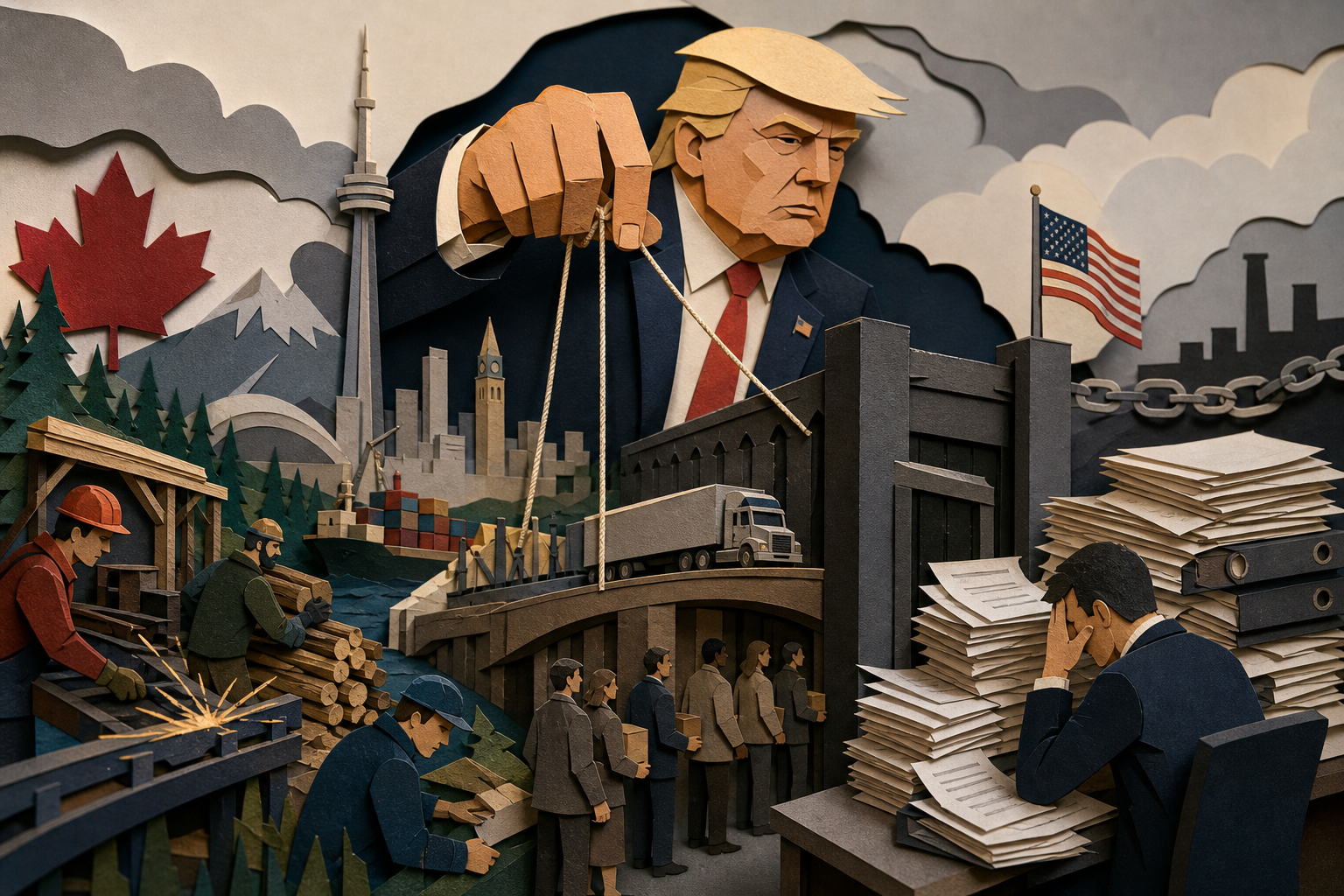
The Bank's statement pointed to tariffs and uncertainty as headwinds that are now easing. Tariffs distort planning cycles, businesses delay investment, importers front-run rate changes, supply chains freeze until the new equilibrium is clear. When those distortions unwind, you often see a bounce that looks like momentum but is really just deferred activity catching up. The question is whether anything underneath has changed.
What the hold signals about the next move
Holding at 2.25% with growth at 2.5% and unemployment at 6.5% suggests the Bank sees the output gap closing but not closed. If policymakers believed the economy was running at or above capacity, the statement would have included language about monitoring inflation pressures more closely. It didn't. The focus stayed on the recovery's breadth and sustainability, which are questions you ask when slack still exists.
The next move depends less on the headline GDP number than on whether wage growth picks up and whether consumer spending strengthens without new fiscal support. Wage growth has been subdued relative to inflation for most of the past year, which leaves households with less real purchasing power even as nominal incomes rise. If that gap persists, the 2.5% growth rate won't hold without external help.
The July hold was a pause, not a pivot. The economy is moving, but it's moving into a range where the next decision gets harder.