Why Trump Just Shielded a Venezuelan Drug Trafficking Suspect From Federal Prosecutors

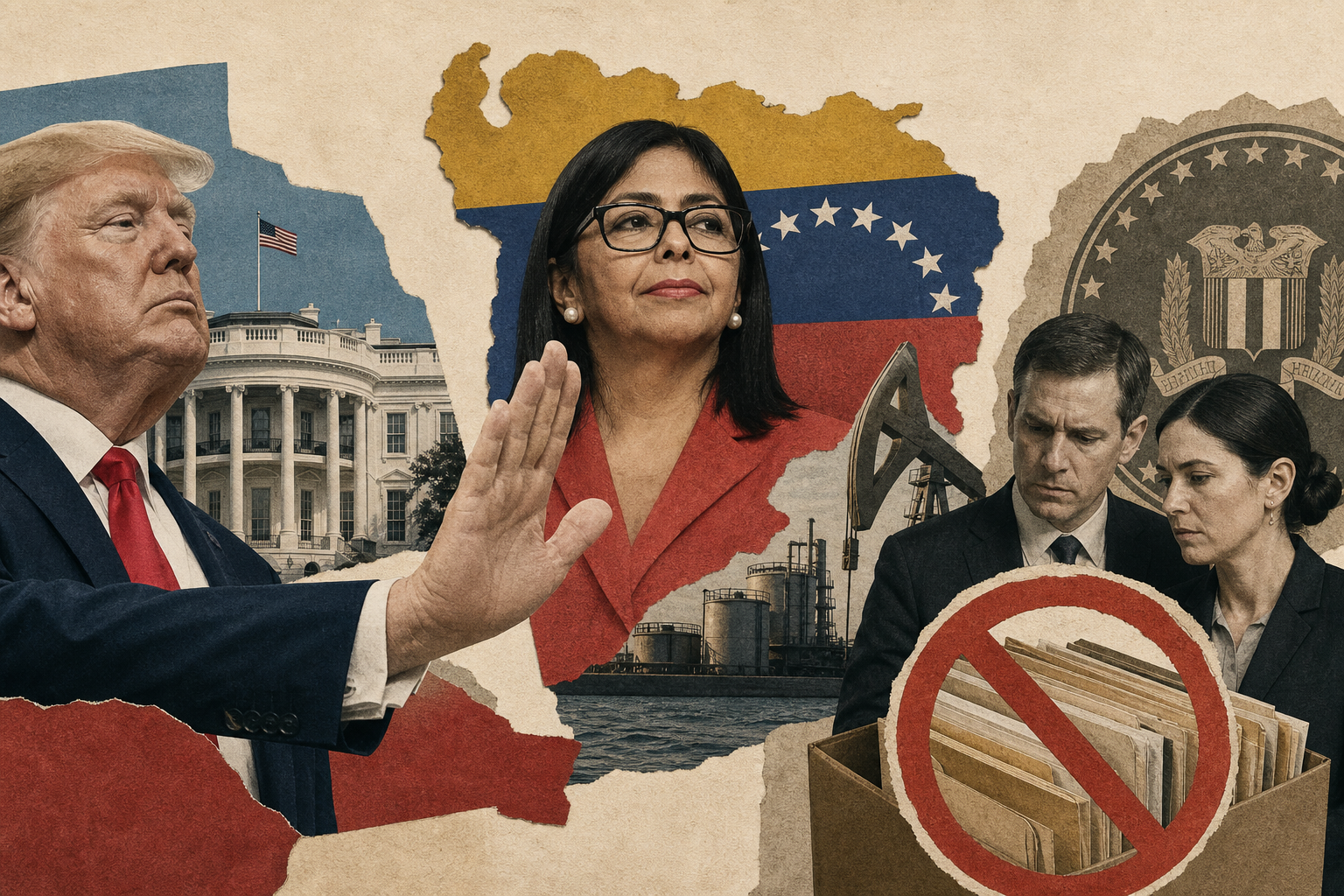
The U.S. Attorney's Office in Miami just received instructions to stand down on Delcy Rodríguez. She's the acting president of Venezuela. She's also been a high-priority DEA target for alleged narcotics trafficking ties. The directive came from the White House. Quietly. This isn't a footnote. The Southern District of Florida handles the bulk of Latin American drug cases. For years, prosecutors there built investigations into the Maduro-Rodríguez power structure under the assumption that criminal accountability and diplomatic pressure ran on parallel tracks. That assumption is now dead. When you tell federal prosecutors to avoid probing someone, you're not pausing the case. You're certifying that person as untouchable for as long as the political arrangement holds. The explanation is straightforward: Venezuela controls over 300 billion barrels of proven oil reserves, the largest in the world. The Trump administration wants those barrels flowing. PDVSA, the state oil company, is targeting 1 million barrels per day in 2026 production after years of sanctions-driven collapse. That output matters to global energy prices and to the administration's domestic economic messaging. You cannot negotiate production increases with Caracas while simultaneously trying to indict the person sitting across the table. This marks the formal end of the "interim government" strategy. During Trump's first term, the U.S. recognized Juan Guaidó as Venezuela's legitimate leader and applied maximum pressure to force regime change. That didn't work. The Maduro-Rodríguez government stayed in power, the economy contracted by over 75% since 2014, and migration out of Venezuela became a regional crisis. The second Trump administration is dealing with the government that exists, not the one it wishes existed. Protecting Rodríguez from prosecution is the clearest signal yet that Washington has moved from "regime change" to "transactional diplomacy." The tradeoff is explicit: sanctions relief and prosecutorial immunity in exchange for oil production, migration management, and energy price stability. From the White House perspective, this is Realpolitik. Lower gasoline prices and fewer border crossings outweigh the symbolic value of indicting a foreign official who was never going to be extradited anyway. From the DEA perspective, this is political interference that undermines years of investigative work and puts confidential informants at risk. Both views are internally consistent. They just operate on incompatible premises. Legal scholars will note that executive branch directives to avoid specific prosecutions are rare and controversial. The Justice Department's independence norm exists precisely to prevent foreign policy goals from dictating who gets investigated. That norm was never absolute—every administration bends it when strategic interests align—but the bending is usually indirect. This case is unusually direct. The instruction reportedly came from senior officials, not through informal back-channels, and applies to an individual by name. Canadian energy firms and B.C.-based mining operations with Venezuelan asset exposure will watch this closely. A decade of legal limbo around frozen Venezuelan holdings could shift if U.S. policy normalizes relations enough to unlock capital flows. But normalization built on immunity deals rather than governance reforms tends to be brittle. The current arrangement lasts exactly as long as the oil keeps flowing and the migration numbers stay manageable. If either variable changes, the prosecutorial pause could end as abruptly as it began. For now, the Miami prosecutors have their instructions. Rodríguez is off-limits. The message to Caracas is clear: the U.S. is willing to treat you as a legitimate counterpart, at least while the terms hold. Whether that pragmatism stabilizes the region or simply postpones the next crisis depends entirely on what Venezuela does with the opening.