Hegseth's Asia Pivot Isn't About China Risk — It's About Abandoning NATO

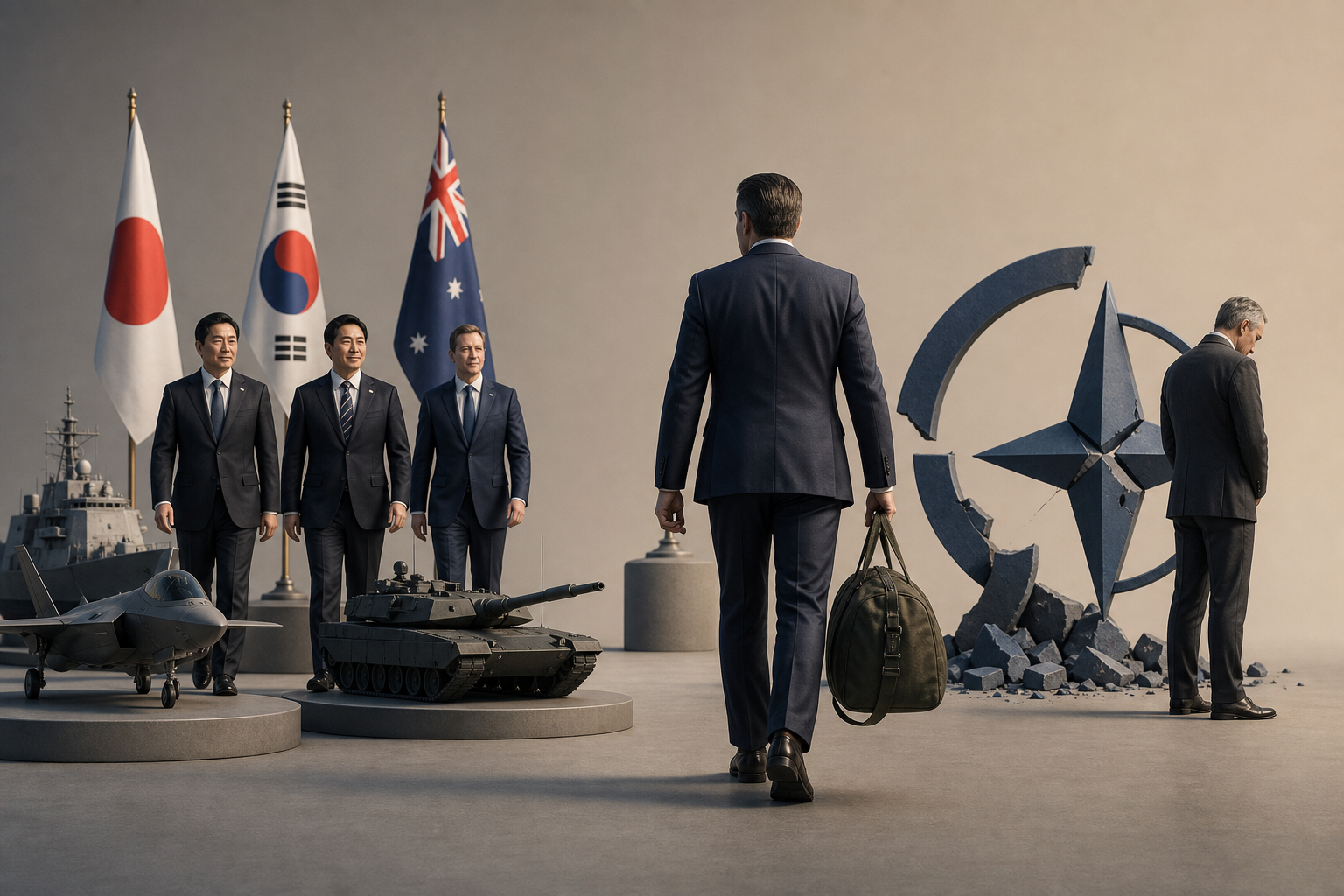
Pete Hegseth landed in Asia this week and spent his first set of press conferences explaining why he trusts Seoul, Tokyo, and Canberra more than he trusts Brussels. The U.S. Defense Secretary praised Indo-Pacific partners for their readiness, their hardware purchases, and their willingness to match strategic priorities with actual spending. Then he pivoted to Europe and delivered the kind of public rebuke that used to happen behind closed doors.
This wasn't diplomatic posturing. It was a statement of institutional preference, and the message to NATO was blunt: if you're not spending, you're not serious.
The 2% Floor Is Now a Loyalty Test
For decades, the NATO spending target sat at 2% of GDP. Most member states ignored it. The U.S. covered the gap and absorbed the cost because the alliance itself was seen as non-negotiable. That consensus is dead.
Hegseth's critique of European defense spending wasn't new. What's new is the comparison. By praising Asian allies in the same breath, he turned burden-sharing into a scorecard. Japan maintains roughly 80,000 U.S. personnel on its soil and has committed to doubling its defense budget by 2027. South Korea hosts another 28,500 troops and builds interoperable platforms that integrate directly into U.S. strike networks. Australia is buying nuclear-powered submarines and opening its northern bases to American rotations.
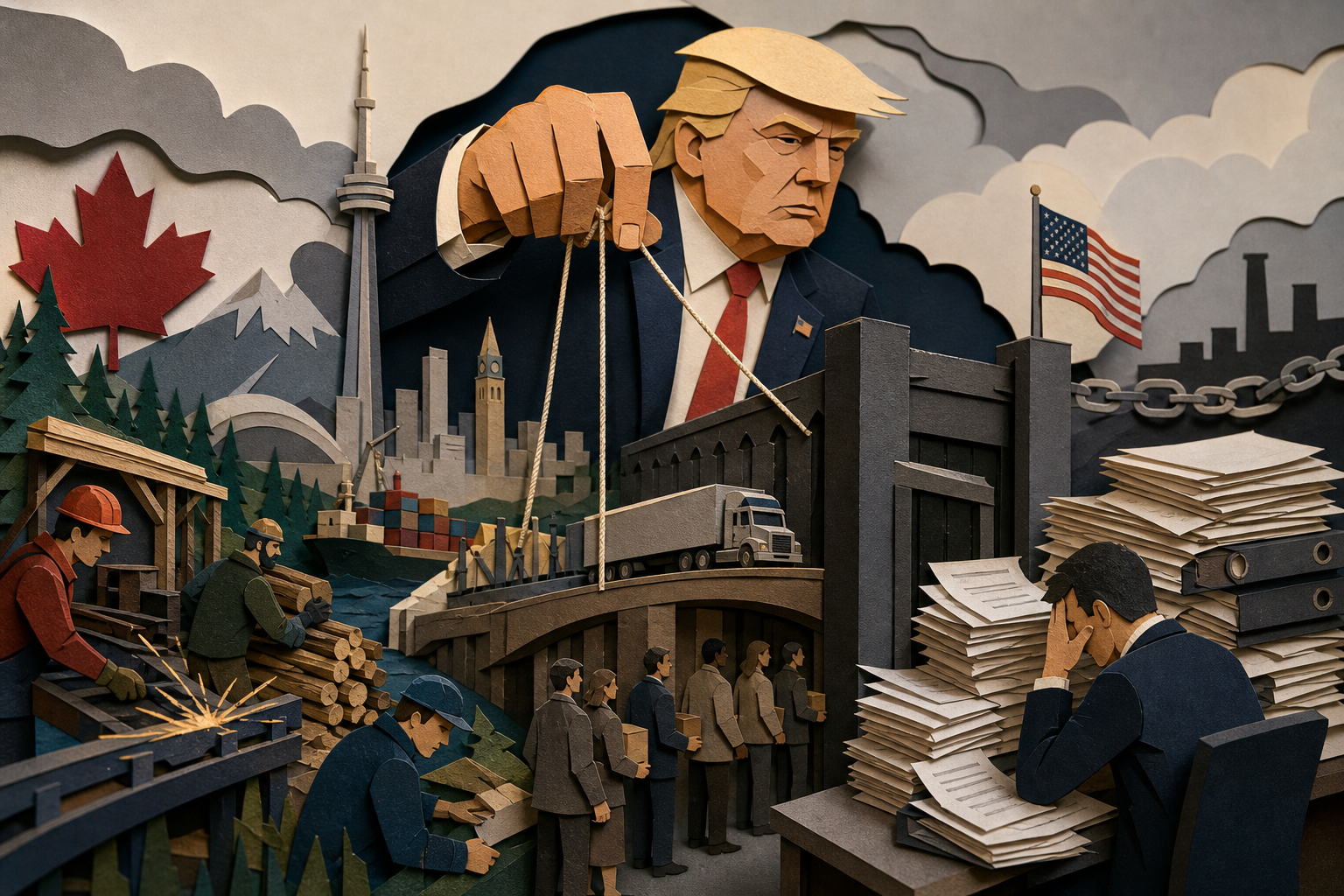
Canada, meanwhile, has pledged to hit 2% by 2032. That's a seven-year horizon for a target the U.S. now treats as table stakes. Ottawa shares a continent with Washington, co-manages Norad, and patrols the Arctic approaches that matter more every year as the Northwest Passage becomes navigable. Geography used to make Canada indispensable. Hegseth's positioning suggests geography is no longer enough.
Transactional Defense Is the New Normal
The shift isn't about China risk. It's about treating alliances like vendor contracts. Asian partners are being rewarded not because the Indo-Pacific is more dangerous than the Euro-Atlantic, but because those governments have matched their commitments to their checkbooks. They've bought F-35s, installed missile defense systems, and restructured their force postures to align with U.S. operational priorities. Europe has done some of this. Not enough, not fast enough, and not without years of prodding.
Hegseth's praise for "stable ties with China" complicates the narrative further. If the primary justification for pivoting to Asia were Chinese aggression, you wouldn't open your regional tour by emphasizing stability. The logic only holds if the real goal is reallocating U.S. attention toward partners who behave like customers and away from partners who behave like dependents.
This creates a paradox for NATO. The alliance expanded after 2022, added Finland and Sweden, and increased its eastern flank presence to levels not seen since the Cold War. U.S. troop strength in Europe now sits around 100,000. But rhetorical support has moved in the opposite direction. The Pentagon's actions say Europe still matters. The Defense Secretary's public comments say it matters less than it used to.
What Ottawa Should Hear
Canada is caught in the worst possible position. Too close to ignore, too slow to impress. Hegseth's frustration with European free-riding applies directly to a country that shares the longest undefended border in the world with the U.S. and has spent decades underfunding the military infrastructure that makes that border defensible.
The 2032 timeline isn't a plan. It's an invitation to be publicly criticized for the next seven years while Asian allies get lauded for doing what Canada has promised to do eventually. The window for fixing this isn't diplomatic. It's fiscal. If the current U.S. administration views defense partnerships as pay-to-play arrangements, then partnership quality is now measured in percentage points of GDP and the speed at which new capabilities come online.
Hegseth didn't go to Asia to warn about China. He went to showcase allies who've already made the adjustment Washington is demanding from everyone else.